The journey
was already happening.
An empty seat. A crowded city. The belief that connecting the two could change the way people move.
THE STORY BEHIND RIDESHARE ↓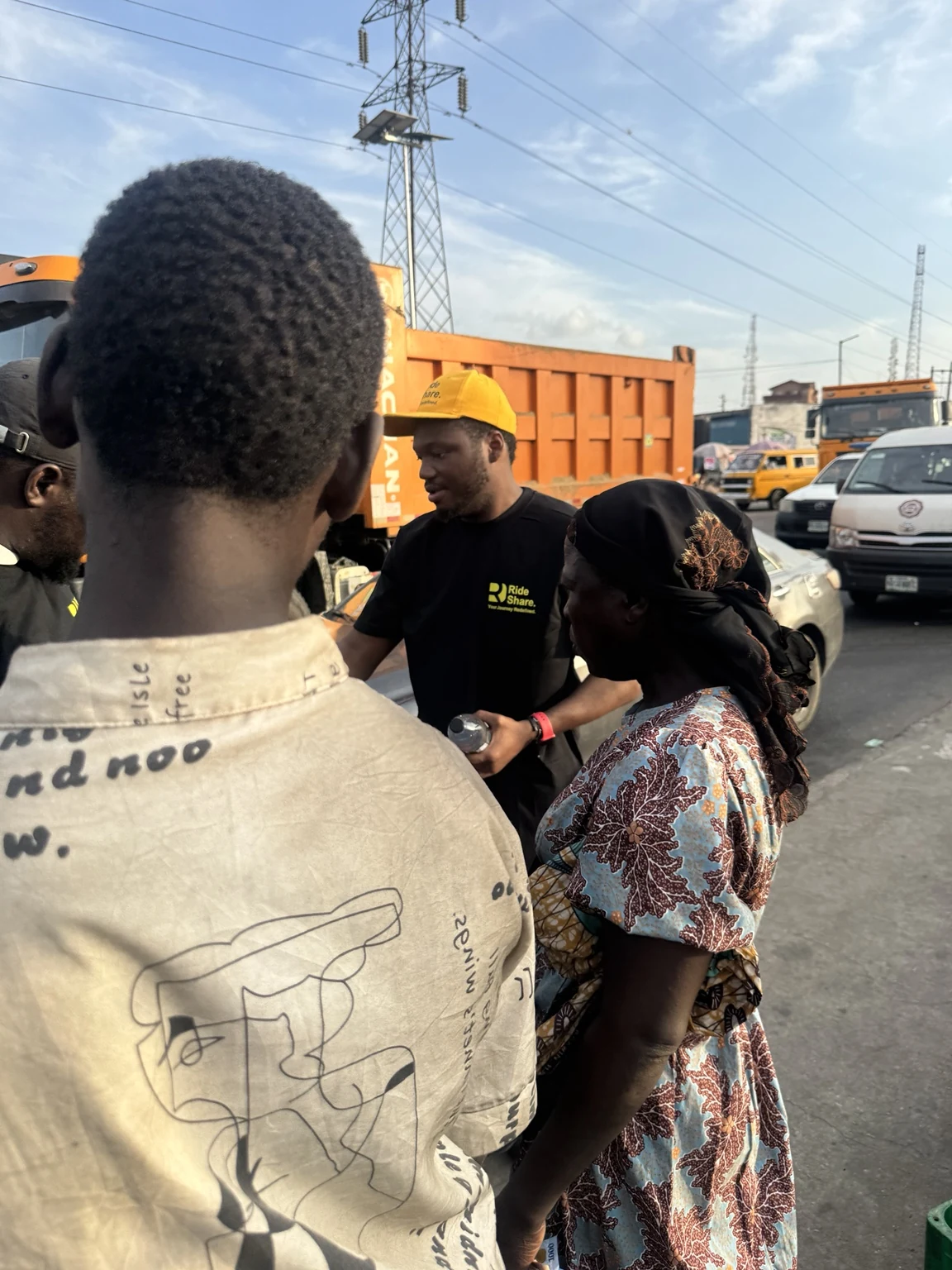
A SIMPLE OBSERVATION
Lagos wasn't short
of empty seats.
Cars were already moving. People were already going in the same direction. Yet commuters were paying for entirely separate journeys.
That mismatch stayed with me. We talk a lot about the need for more transport in Lagos, and sometimes that's true. But I kept returning to a different question: could we make better use of what was already on the road?
The idea behind RideShare was never to turn every car owner into a taxi driver. It was to help ordinary people share journeys they had already planned to make. Drivers choose their routes, departure times and seat prices. Someone heading the same way can join them.
No new journey needs to be invented. The opportunity is in connecting people.
The ride is
going anyway.
Tap to see the coordination opportunity at the heart of carpooling. An illustration, not an actual trip.
One person is already making the trip. Three seats could be shared.
FROM THE IDEA TO A PRODUCT
An idea needed
people.
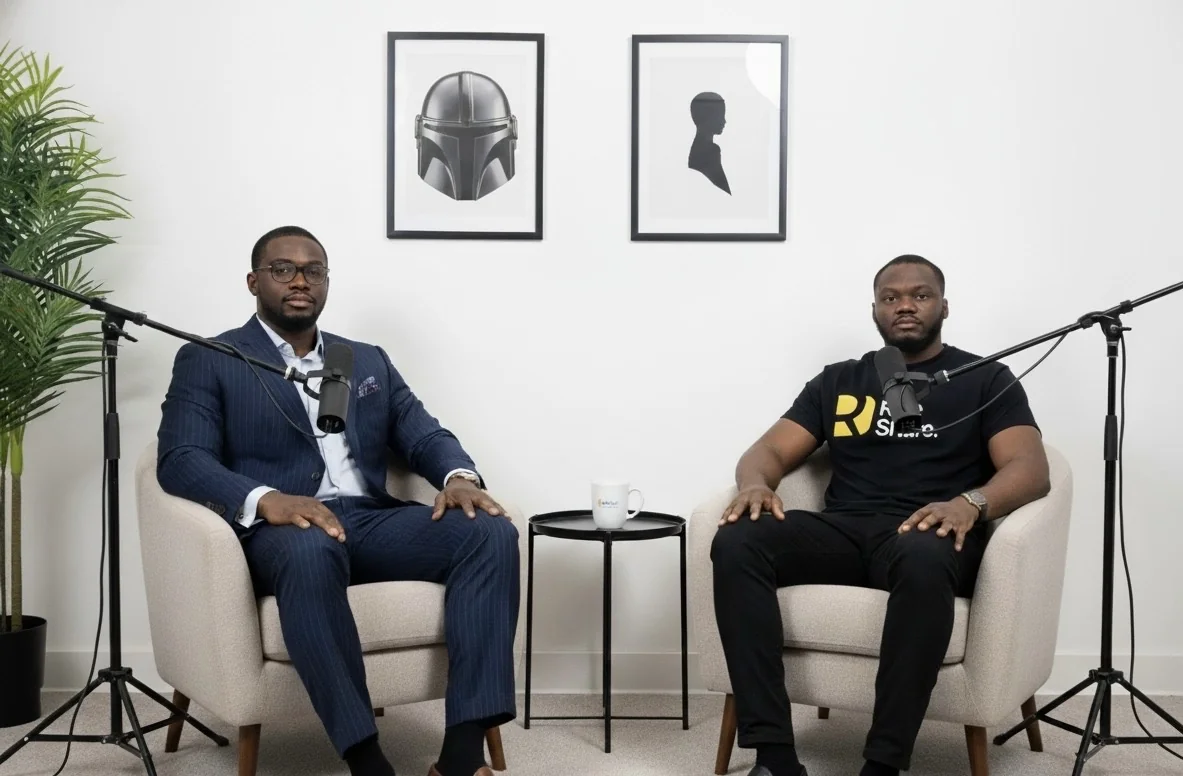
Together with my co-founder Shakeerah “Yosi” Akindiya and our team, we began turning that question into something people could use.
We had to make it possible to post an everyday journey, find someone going the same way, communicate, and build the trust required to share a car with another person.
That meant thinking about verification, pickup arrangements, and the practical details that decide whether an idea works outside a presentation deck.
Then came conversations on the streets of Lagos. Real questions about safety, convenience, prices, and whether people would actually share their seats.
WHAT THE STREETS TAUGHT US
A request
isn't a ride.
The interest was encouraging. But every unfulfilled request reminded us that demand alone doesn't make a mobility platform useful.
One of the hardest challenges has been building dependable driver supply on routes where commuters need seats. People can download an app, express interest, and request a journey. But if the right driver isn't available at the right time, none of that gets someone home.
So the work moved beyond the screen: meeting drivers, listening to objections, testing corridors, strengthening trust and verification, and finding ways to make repeated journeys more reliable.
The first completed rides mattered because they proved the connection could happen. The next challenge is making it happen consistently.
Out where
it matters.
Scenes from the work of building RideShare in Lagos. Not a finished success story—just the work itself.
THE LONG VIEW
Bigger than
a spare seat.
Carpooling is where RideShare starts. The larger ambition is to make moving around African cities easier to understand, access, and coordinate.
Over time, that could mean helping people discover different ways to travel—shared private commutes, scheduled operators, fleet services, and intercity connections—in one place.
It doesn't require every provider to become the same thing. It requires a better way for the different parts of a city's mobility system to work together.
For now, the priority is closer to the ground: more dependable drivers, more completed journeys, and routes that commuters can count on. We're still building. And that's the point.
Still a long
way to go.
Progress looks like a commuter finding the right seat, a driver earning from a journey already planned, and two people feeling comfortable enough to share the road. Then doing it again tomorrow.